
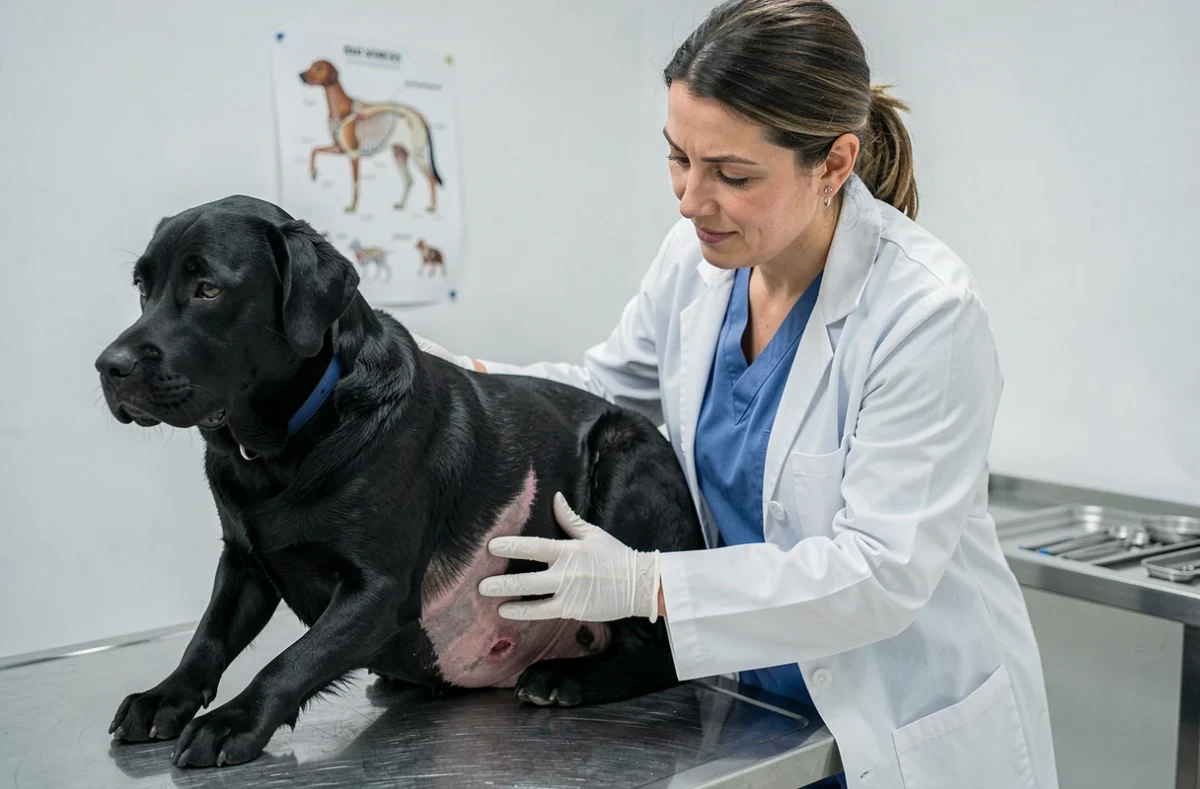
After a splenectomy, most owners focus on the abdominal scar and the return of appetite. However, a dog’s recovery after spleen removal involves less visible parameters: heart rate, histological results of the removed mass, and the immune system’s adaptation to the absence of a filtering organ. These data determine the actual duration of recovery and the subsequent veterinary decisions.
Post-splenectomy ventricular arrhythmia: data to monitor
The cardiac risk in the first few days is the most underestimated parameter by owners. Ventricular rhythm disturbances can occur within 24 to 72 hours following the procedure, particularly in dogs operated on for a splenic mass or abdominal hemorrhage.
The mechanism relies on the release of inflammatory substances and circulatory instability caused by the surgery. Monitoring by electrocardiogram during this critical window is performed in equipped veterinary clinics.
Several signs should trigger immediate veterinary contact:
- Unusual weakness or episodes of collapse without apparent cause, which may indicate an ongoing arrhythmia
- Abnormally rapid breathing at rest, outside of any context of pain or stress
- Sudden malaise with pale mucous membranes, potentially related to a drop in cardiac output
A return home too early, before stabilization of heart rate, poses a real risk. The duration of hospitalization after splenectomy is not merely a logistical comfort. It allows the veterinarian to detect these complications before they become critical.
Understanding the recovery after spleen removal in dogs requires integrating this cardiac dimension from the first hours.
Histopathological result: benign or malignant mass changes the entire recovery
The nature of the tumor removed conditions the subsequent medical journey. The histopathological analysis is the pivot of all post-operative decisions. Before this result, neither the veterinarian nor the owner can properly plan the medium-term recovery.
| Type of mass | Approximate frequency | Post-splenectomy prognosis | Required follow-up |
|---|---|---|---|
| Benign mass (hemangioma, hematoma, nodular hyperplasia) | About 40% of hemorrhagic splenic masses | Favorable, life expectancy close to normal | Spaced veterinary check-ups, no chemotherapy |
| Splenic hemangiosarcoma | Most common malignant tumor of the spleen | Short median survival with surgery alone | Discussion of chemotherapy (doxorubicin), regular ultrasounds, extension assessment |
A often overlooked point: about 40% of dogs operated on for a hemorrhagic splenic mass did not have a confirmed malignant tumor, according to data relayed by the Dog Cancer Foundation. Deciding on a chemotherapy protocol based solely on the appearance of the mass, before the analysis result, exposes the dog to unnecessary treatments.
When to wait for the result before acting
The time between surgery and the return of histopathology varies by laboratory. During this period, recovery focuses on healing, strict rest, and pain management. No oncological decisions should be made before receiving the report.
For a confirmed hemangiosarcoma, adding doxorubicin-based chemotherapy may extend the survival period in some dogs. In contrast, for a benign lesion, the dog returns to a normal life without additional treatment.
Immunity and daily life of a dog without a spleen
The spleen filters blood and stores immune cells. Its absence makes the dog slightly more vulnerable to infections, without condemning it to a permanently medicalized life.
The concrete adaptations focus on three areas:
- Increased veterinary follow-up in the weeks following the operation, with particular attention to fever, an early sign of bacterial infection
- A gradual return to physical activity, generally over several weeks, avoiding intense efforts until abdominal healing is complete
- Increased vigilance for unusual signs of fatigue or lethargy in the months that follow, which may indicate a late complication or tumor recurrence

Diet after splenectomy
No specific diet has been scientifically validated for splenectomized dogs. Hydration and nutritional quality remain the two priorities. A dog that refuses to eat within 48 hours post-operatively should be reported to the veterinarian, as this may indicate poorly controlled pain or an internal complication.
The transition to regular feeding is done gradually, often starting with reduced and divided portions to limit digestive efforts on a recently operated abdomen.
Planning oncological follow-up before the end of recovery
When histopathology confirms a hemangiosarcoma, oncological follow-up should be planned even before the end of healing. Waiting for the dog to “feel better” to schedule an appointment with a veterinary oncologist wastes valuable time in this type of tumor.
The extension assessment, including chest X-rays and abdominal and cardiac ultrasound, checks if metastases are already present in the lungs, liver, or right atrium. This assessment conditions the relevance of chemotherapy.
For benign masses, the schedule is more flexible. A veterinary check-up a few weeks after the procedure, followed by spaced visits over the next year, is sufficient to ensure that recovery is proceeding normally.
The recovery of a dog after spleen removal is not limited to managing a surgical wound. The heart rate in the first days, the laboratory result, and the planning of follow-up form a triptych that determines whether the dog will return to a normal life or enter an oncological pathway. Each step has its timeline, and adhering to it changes the prognosis.