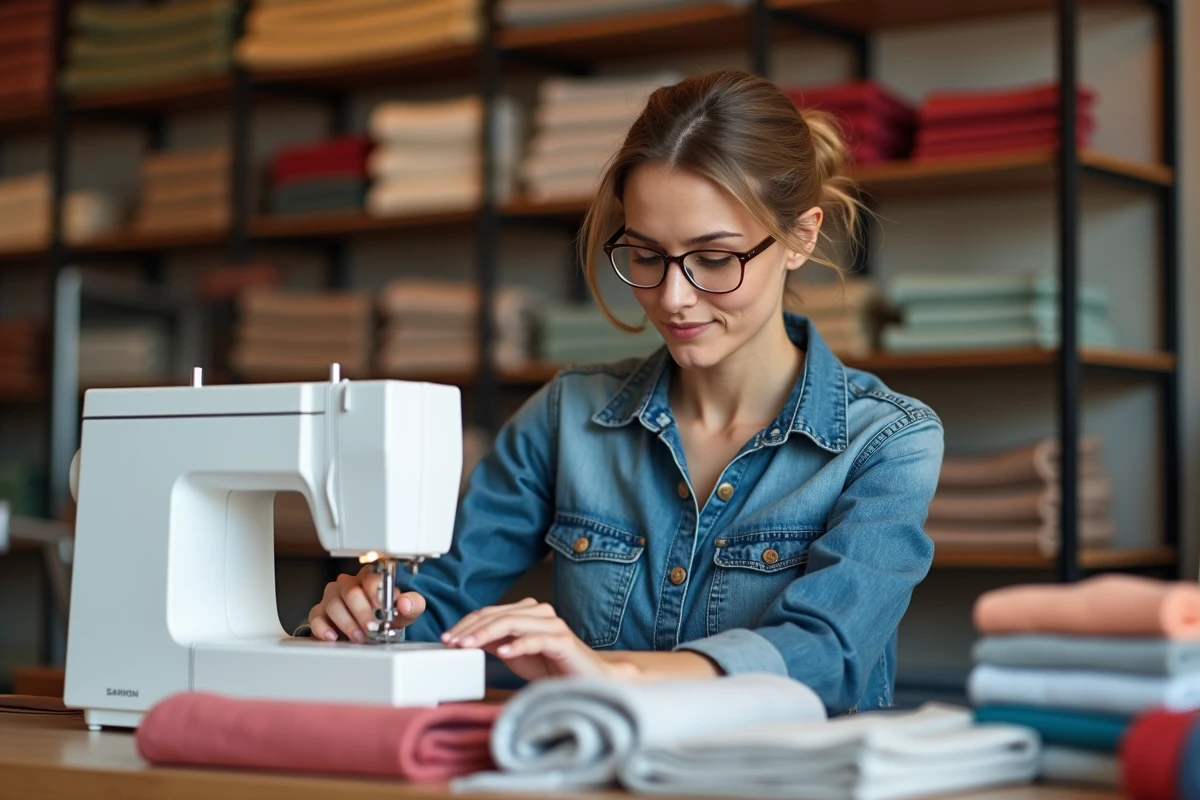
An electronic sewing machine is not a magic wand: a high price does not always equate to better sewing. Sophisticated functions may look appealing on paper, but most remain unexplored. Conversely, some basic machines check all the boxes without overdoing it.
Within the same manufacturer, two models with a significant price gap do not necessarily offer a clear difference in terms of reliability or lifespan. The availability of spare parts, often overlooked, makes all the difference in prolonging use, well beyond the indicated range level.
What to know before choosing your sewing machine
Before making a purchase, take a moment to clarify your needs: sewing a hem occasionally, multiplying creative projects, or aiming for regular sewing? The budget, experience, and variety of fabrics to sew completely guide the choice. A mechanical sewing machine appeals due to its reliability, old-fashioned settings, and affordable price. Beginners or those who sew occasionally often appreciate this simplicity, far from lengthy menus and gimmicky features.
On the side of electronic machines, it’s all about automatic settings, a variety of decorative stitches, and sometimes an LCD screen. This modern comfort attracts those who want to work in detail, test new patterns, or undertake less standard projects. Certain accessories truly change the game: specialized presser feet, free arm, automatic needle threader, or extension table make each step smoother, whether it’s setting a sleeve or assembling thick fabric.
Regular maintenance remains the best ally for a machine that lasts. Cleaning, lubrication, and a small annual check-up: these simple actions make a difference. Don’t underestimate the importance of the warranty and the ease of finding replacement parts: there’s nothing more frustrating than a minor breakdown that is impossible to fix.
To delve deeper into the comparison, machineacoudre.xyz offers a detailed overview in “Best Sewing Machine: Comparison 2026, Tests & Reviews”. It features practical sheets, reviews on material quality, and a solid buying guide to accompany each step, whether you dream of a simple hem or a more ambitious project.
How to spot the ideal machine according to your needs and level?
To find the suitable sewing machine, you need to analyze: assess your level, the nature of your projects, and the fabrics you wish to work with. Beginners should focus on an intuitive machine, with few settings and the main stitches: straight, zigzag, buttonhole. A well-designed mechanical machine with a few basic functions allows you to get through the initial stages without technical frustration.
If you sew regularly or handle various fabrics, the motor’s power and the quality of the feed become crucial. For thick fabrics, prioritize a sturdy motor, a walking foot, and robust needles. Sewing jersey or any stretchy material requires the famous stretch stitch, and sometimes even the addition of an overlocker for a flawless finish. Electronic models, thanks to their automatic settings and wide range of stitches, appeal to those who want to go beyond the basics: patchwork, upholstery, original creations… everything becomes possible, without sacrificing precision.
Before investing, consider the frequency of use. Here are some guidelines to help your choice:
- Beginner: ease of use, sturdiness, essential stitches.
- Intermediate: versatility, power, access to specific stitches to diversify creations.
- Advanced/Professional: endurance, advanced functions, ability to handle demanding projects without faltering.
Focusing on a good understanding of the features and your own expectations avoids unpleasant surprises, both in terms of budget and enjoyment of use.
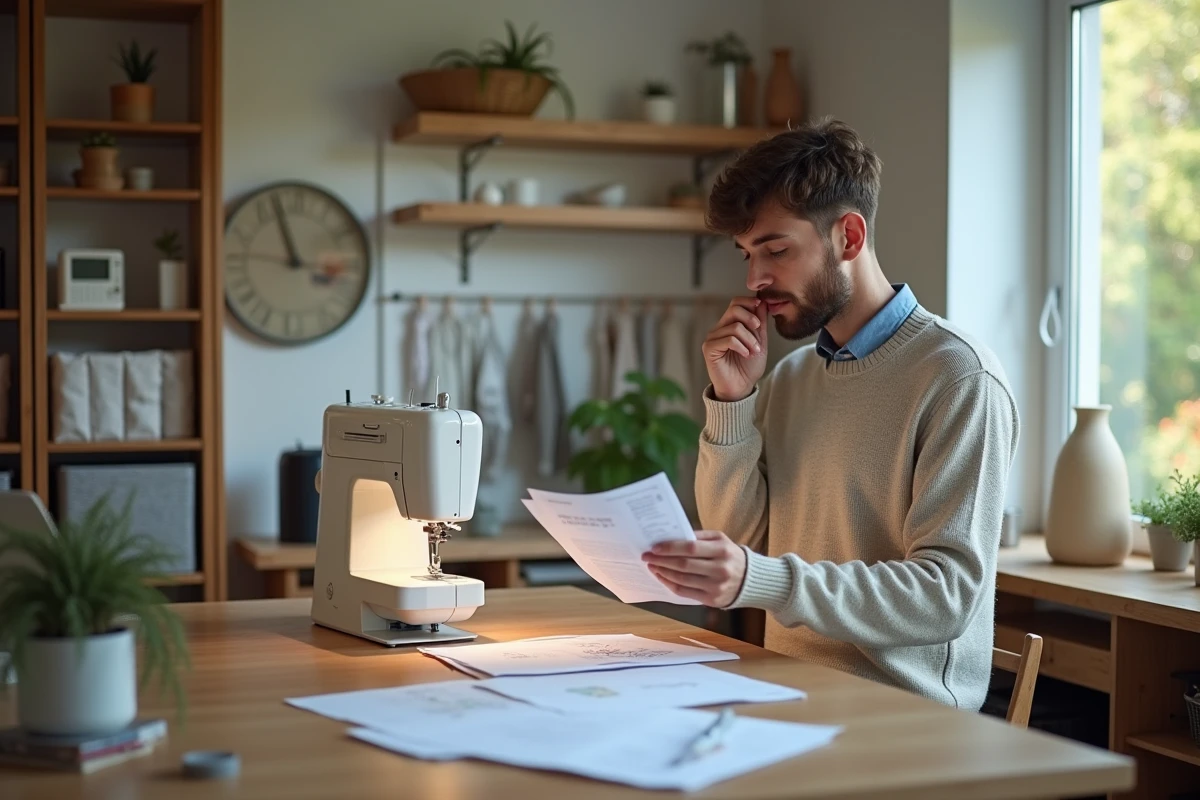
Our selection of the best sewing machines in 2024 for all profiles
To get started, nothing beats the simplicity of a mechanical machine: reliable, accessible, and hassle-free. Straight stitches, zigzag, and buttonholes are more than enough to get initiated, while the free arm simplifies finishing on tubular pieces like sleeves. The automatic needle threader and a cover provide immediately appreciated comfort, especially in daily use.
Intermediate profiles turn to versatility. An electronic model with an LCD screen, automatic settings, and a nice range of decorative stitches opens up a world of possibilities: cotton, denim, jersey, it all works. The addition of an extension table, speed regulator, and several presser feet (for buttonholes, zippers, or patchwork) quickly proves essential for exploring new territories.
For the advanced, the game changes: you need a machine that keeps pace, handles technical fabrics, and manages intensive sessions. Look for a durable motor, quality feed, a memory for patterns, or even a knee lift to keep your hands free. Evolving equipment, a solid warranty, and a maintenance kit accompany this upgrade.
To clarify the options, here are the main categories of sewing machines:
- Mechanical for simplicity and reliability.
- Electronic for comfort and creativity.
- Industrial for productivity and demanding professional use.
The choice of accessories, presser feet, bobbins, needles, extension tables transforms the experience and precision of sewing. A well-structured buying guide and, if needed, a training session speed up the learning curve and truly make a difference from the very first projects. Sewing awaits your next challenge: it’s up to everyone to find the machine that will become the faithful ally of both large and small creations.