The printer is an essential office equipment that allows data to be transferred from the computer to paper. There are several types of printers, including inkjet printers and laser printers. The laser printer is increasingly popular due to its quality and high printing speed. However, its operation remains a mystery for the uninitiated. What role does the laser play in this type of printer? What mechanism is used to obtain printed paper using a laser printer? This article addresses all these concerns.
The operation process of the laser printer
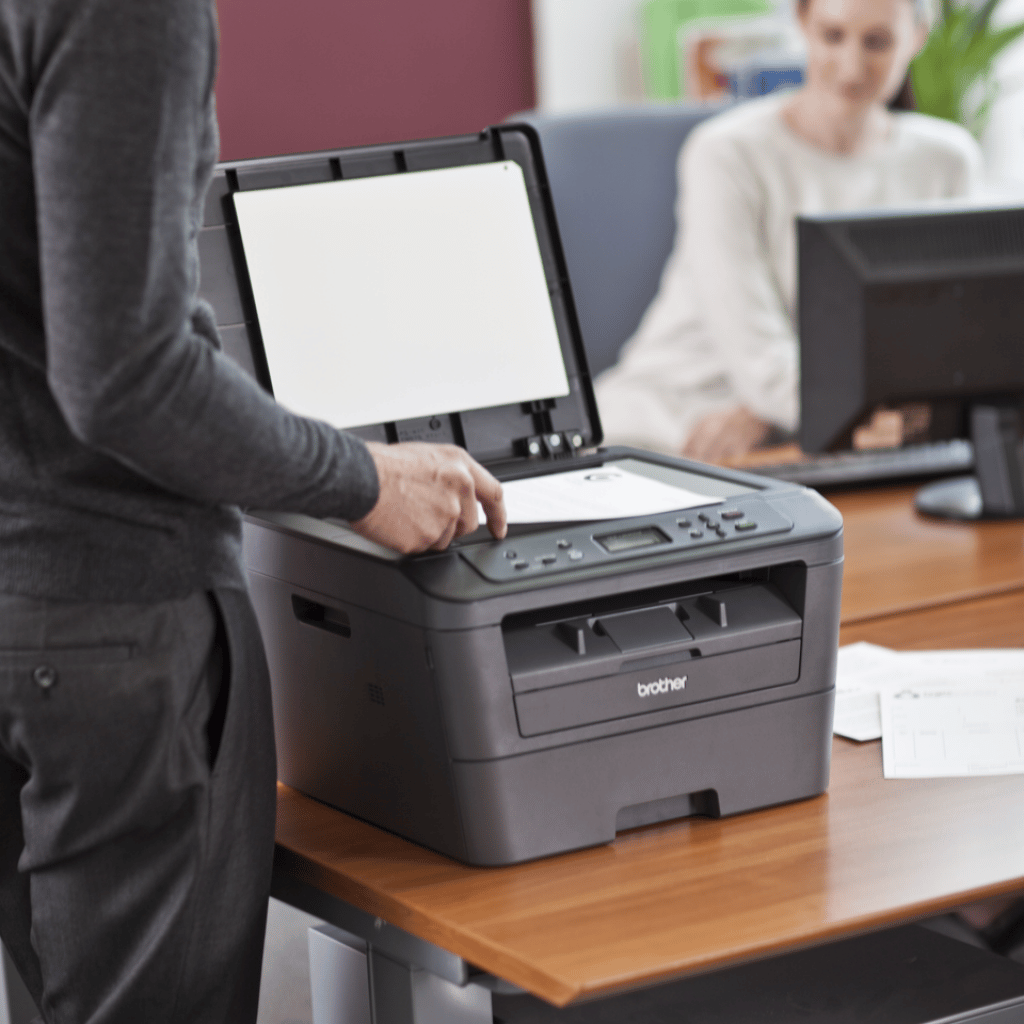
The monochrome laser printer prints documents in black and white, unlike the color laser printer, which prints documents in multiple colors. The difference between these two technologies lies in the number of passes each printer makes when depositing ink.
Indeed, the monochrome printer makes four passes to print the paper, while the one capable of making multicolor prints deposits each color only once during printing. The price of a color laser printer is higher compared to the monochrome printer. Find all kinds of printers by following the link https://www.imprimante-laser.xyz/.
The laser printer works like a photocopier. The ink is applied to the paper under the effect of heat. Its operation can be divided into two stages.
The preparation stage
In the laser printer, the laser beam ionizes the drum (a cylindrical object). The drum thus receives laser, an electrostatic charge in certain areas (its upper layer). It then begins to rotate, turning in the clockwise direction: this is the charging phase.
Data is transmitted in code from the computer to the drum by a translator called the RIP (Raster Image Processor). The drum recognizes this data in the form of a halftone image that informs it what needs to be printed. The laser is inserted between the RIP and the drum, which in turn accurately transcribes the data. The laser beam reverses the electrical charge, creating an electrophotographic image: this is the writing phase.
The printing stage

The drum passes through the toner, which consists of powdered ink. The particles settle on the part of the drum that received the reversed charge under the action of the laser beam. Then, the drum, now coated with particles, will spread the ink onto the paper to be printed: this is the transfer and development phase.
At a temperature of around 200 °C, the printed paper passes through the fuser, which permanently fixes the ink onto the paper: this is the heating phase. This is a crucial step in the printing process, as without heat, the ink cannot be bonded to the paper. The high temperature explains the heat that the paper emits once printed. Additionally, the blade cleans off excess ink, leaving the drum clean.
You must understand that it is a chemical, electrical, and mechanical process that comes into play to operate the laser printer. It is a device highly valued by professionals because the printing is of high quality and economical. Moreover, it is not very noisy.