In an effort to strengthen biodiversity, many gardeners are looking to transform their green spaces into refuges for wildlife and flora. Far from the traditional image of a pristine lawn, the approach involves welcoming a variety of grasses, flowers, and natural habitats. This transition towards more ecological gardening encourages the return of pollinating insects, birds, and small wildlife, while providing a more resilient and water-efficient space. Adopting such practices is not only a gesture for the planet, but also a way to rediscover the charm of a vibrant and wild garden.
Strategies for a Biodiversity-Friendly Garden
Prioritize native plants that are adapted to the climate and soil of your region. These plant species play a key role in maintaining ecological balance and provide ideal living conditions for local wildlife. Indeed, they co-evolve with pollinating insects and animals, forming a network of interdependencies essential for the survival of the ecosystem. Be wary of invasive exotic species that threaten the natural balance by outcompeting native varieties and disrupting the feeding habits of indigenous wildlife.
Combating light pollution is also a key action area. Turn off unnecessary lights at night and opt for discreet outdoor lighting to avoid disrupting the natural cycles of nocturnal species. These simple actions contribute to the preservation of a natural garden, where animals can thrive without being disoriented by excessive artificial brightness.
Garden maintenance is important. Mowing can be done gently, with suitable equipment, such as the Einhell GE-PM 53 S HW-E Li mower, which allows for height adjustment and leaves taller grassy areas that are conducive to biodiversity development. The benefits of the Einhell GE-PM 53 S HW-E Li lie in its ability to promote a diverse garden, balancing aesthetics with environmental ethics.
Concrete Actions to Support Local Wildlife and Flora
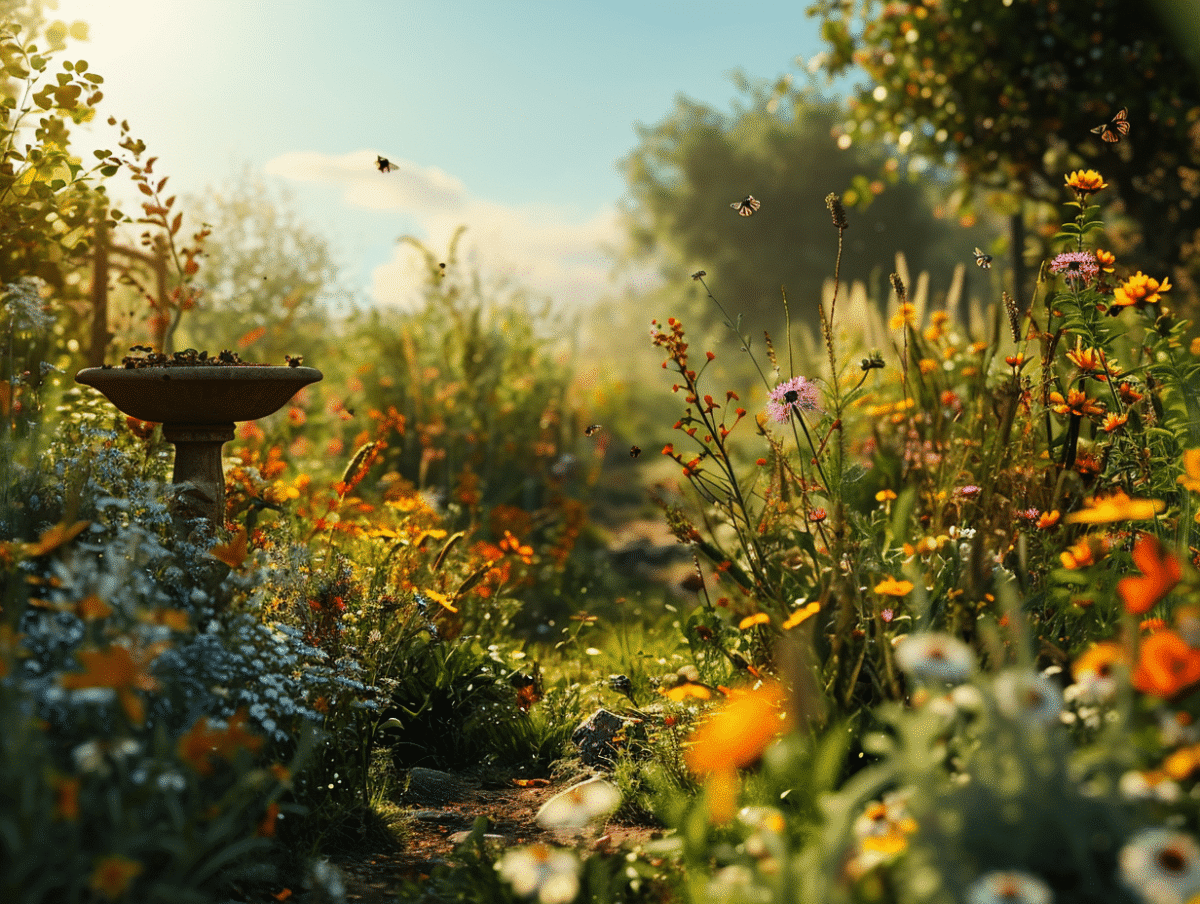
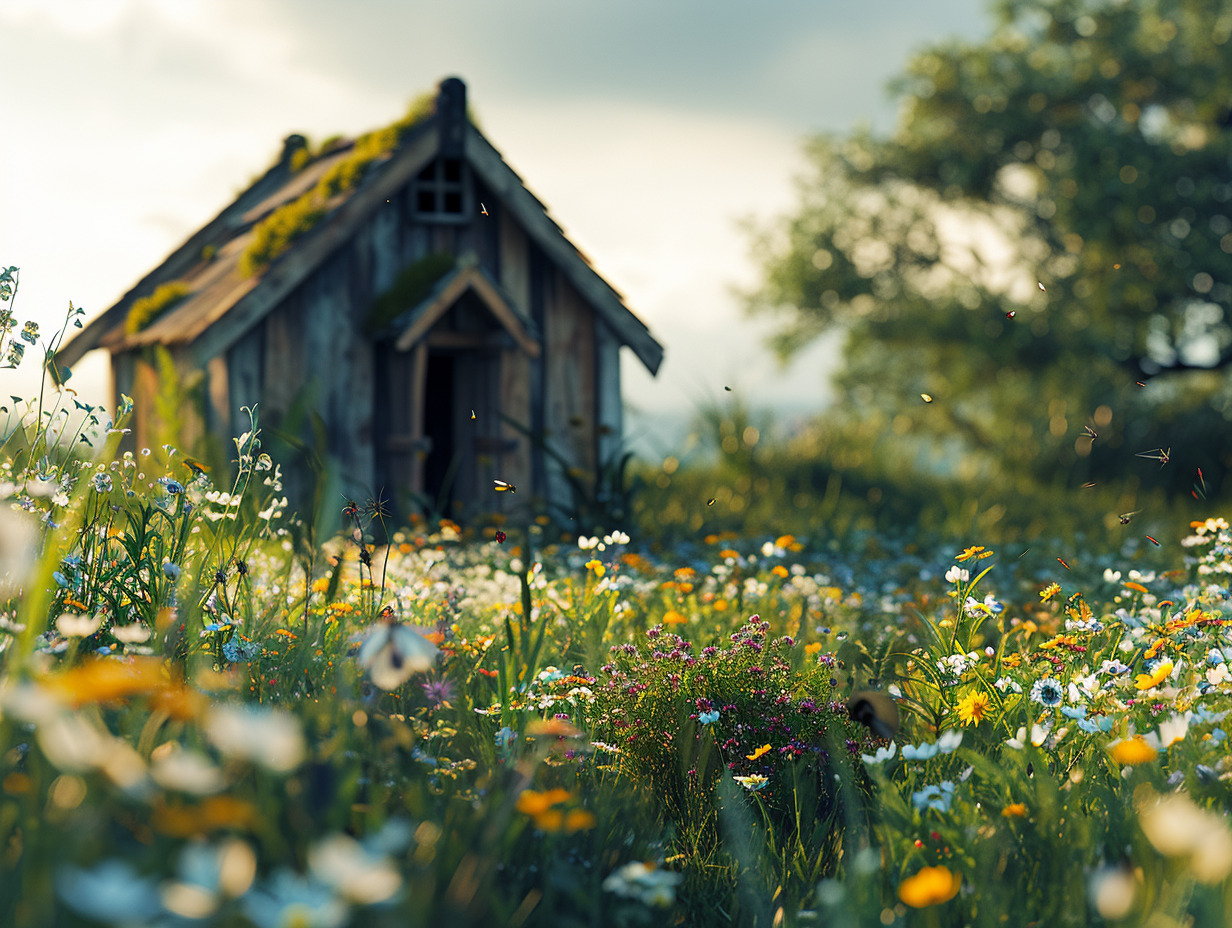
Develop a flowering meadow in a corner of your garden. Forget the uniform lawn, and let an area flourish where tall grasses and wildflowers attract a multitude of pollinating insects. These biodiversity oases provide shelter and food for wildlife while beautifying your garden with a mosaic of colors and shapes. The flowering meadow then becomes a living laboratory, where interactions between species multiply, benefiting the entire ecosystem.
Incorporate water elements such as a small pond or basin. These water points provide vital refuges for many animals, from amphibians to insects, as well as birds that come to drink or bathe. For the flora, the edges of a watercourse offer a habitat for aquatic and riverside plants, further diversifying the garden’s plant palette. However, ensure that these installations integrate smoothly into the landscape, so they do not become traps for small wildlife.
Encourage the presence of natural allies through specific arrangements like wood piles, diverse hedges, or rocky areas. These structures welcome and protect beneficial garden animals, such as hedgehogs, birds, or lizards, which regulate pest populations and contribute to the natural recycling of organic matter. Complete this picture by using compost and natural fertilizers to enrich the soil without resorting to chemical products, in harmony with the life cycles of your wild garden.