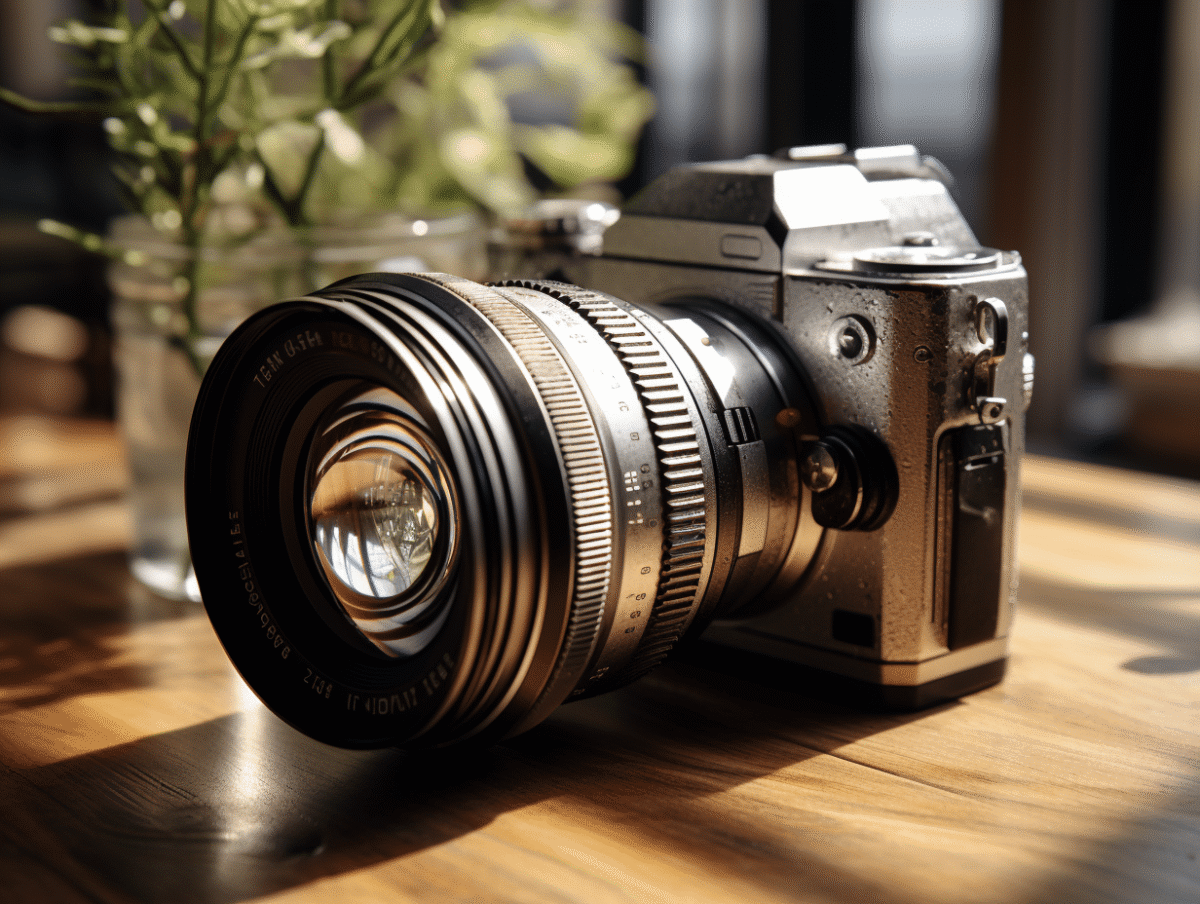
The digital era has brought a major evolution in photography, but film lenses, with their unique character and timeless rendering, remain appealing to many enthusiasts. Marrying these vintage lenses with modern bodies may seem like a challenge, but it is an approach that often yields unmatched artistic results. This requires a deep understanding of the available adapters, mount compatibility, and implications for image quality. Be sure to master manual adjustments, as most film lenses do not communicate electronically with digital cameras.
Adapting Film Lenses to Digital Cameras: A Technical Synergy
The successful fusion of film lens and digital camera relies on a thorough understanding of photographic techniques. Double exposure, an iconic technique of film photography, allows for the layering of images to create works of remarkable visual richness. While the film camera can achieve this technique directly during shooting, the digital camera offers the possibility to recreate this effect through overlay in post-processing.
Find the right adapter for your film lens and pay attention to mount compatibility. The darkroom, once used for developing double exposures in film, finds its modern equivalent in post-processing software such as Photoshop or The GIMP, which allow for digital overlay with unprecedented precision and flexibility.
Mastering the technique of digital overlay is fundamental to capturing the essence of film lenses on modern sensors. It is not simply about layering images but composing a work where each layer contributes harmoniously to the whole. The image composition then becomes a stylistic exercise where the photographer’s eye and ability to anticipate the final result are put to the test.
Consider that adapting a film lens to a digital camera is not just a technical matter. It is an artistic endeavor that invites a rethinking of the fusion mode between film and digital. Modern cameras, with their advanced features, open up to the legacy of traditional techniques to enrich the visual language of contemporary photography.
Practical Tips for a Successful Fusion of Film and Digital
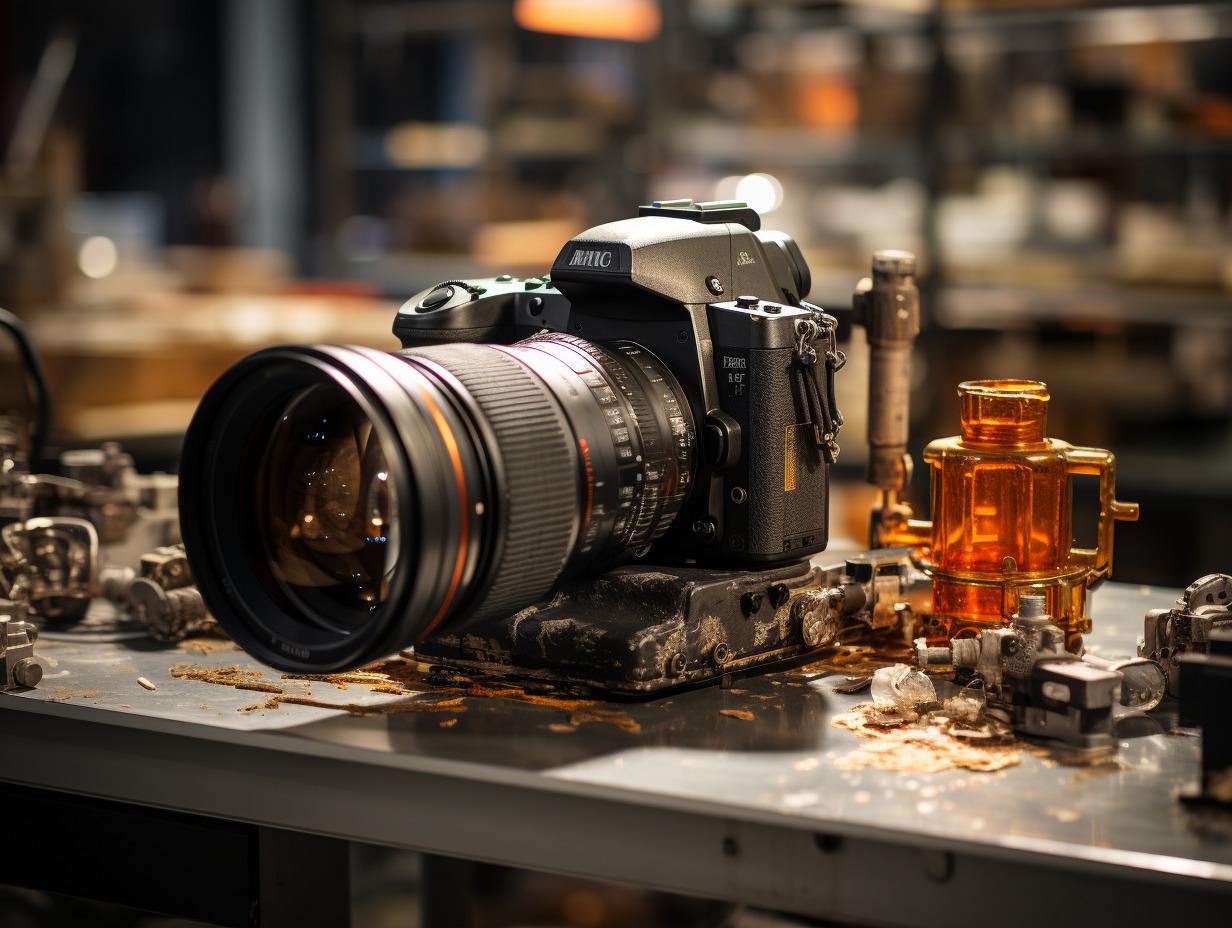
To accurately marry film lenses with digital technology, the first step is to select appropriate mount adapters. This meticulous selection will ensure the faithful transmission of optical information from the lens to the electronic matrix of the digital camera. Consider the preservation of functionalities such as focusing and light metering, which may be affected by the adaptation.
The quality of the image in digital fusion requires particular attention during post-processing. Use professional-grade photo editing software, such as Photoshop or The GIMP, to precisely adjust the overlay. A deep understanding of these tools is essential to reproduce the atmosphere and texture characteristic of film shots. Carefully manipulate tone curves, contrasts, and saturation to emulate the dynamics and warmth of old films.
Image composition is at the heart of this marriage between old and modern. Draw inspiration from successful projects, such as those created by Monsieur M, to explore the infinite possibilities offered by double exposure. Mastering the art of composition requires an artistic vision, anticipation of the outcome, and the ability to exploit the creative juxtapositions made possible by the combination of film and digital. This transforms each shot into a work where the past and present elegantly intertwine.