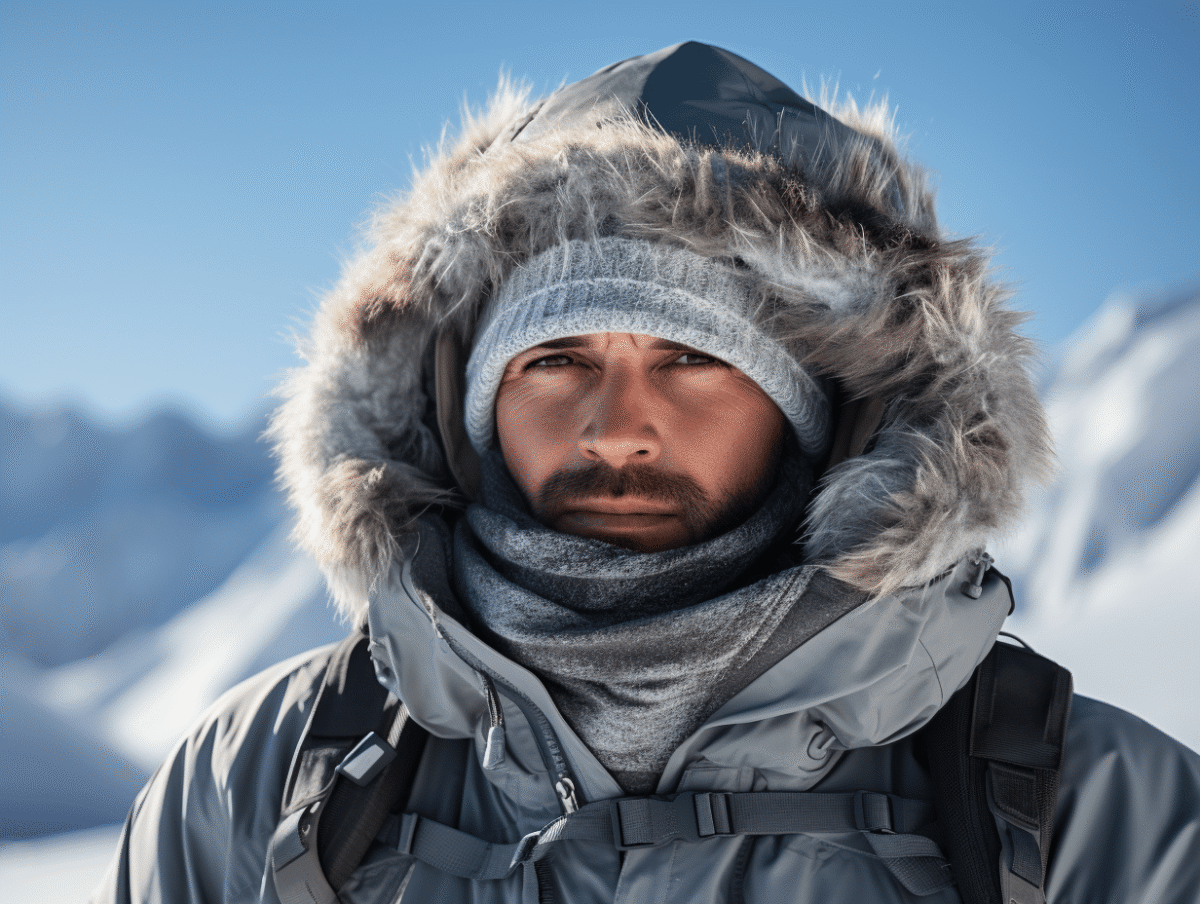
When temperatures drop or during immersion in cold water, the human body reacts with a cooling mechanism. Although general chilliness is often attributed to the environment, some less obvious causes can also play a fundamental role. Factors such as blood circulation, hormones, metabolism, and even specific medical conditions influence body temperature from head to toe. Elements like stress and fatigue can affect how our body retains or dissipates heat. Understanding these lesser-known triggers is essential for maintaining adequate thermal balance.
Unexpected factors influencing body temperature
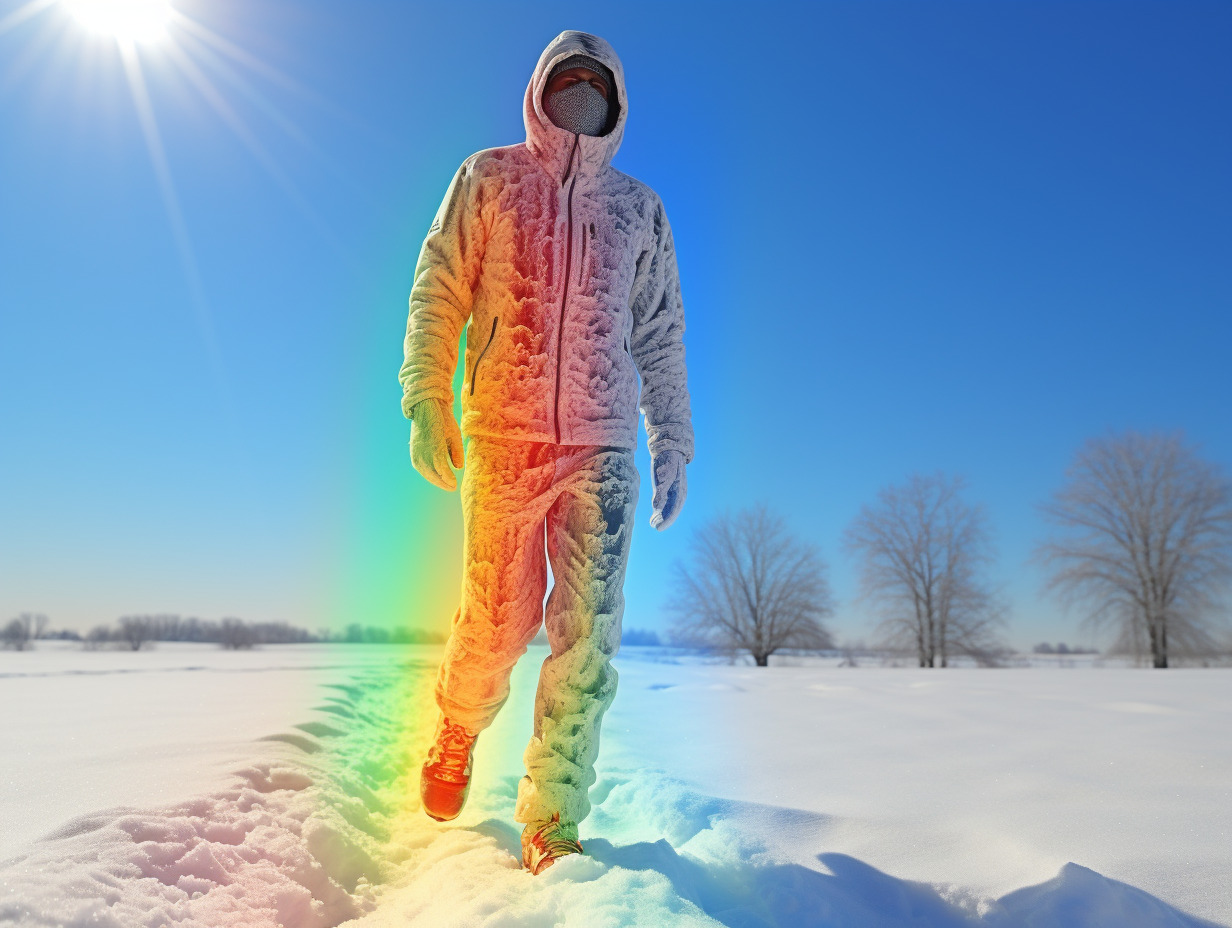
The phenomenon of cold hands and feet can often be surprising, intruding unexpectedly into our thermal comfort. This common symptom is a sign of a physiological phenomenon that is more complex than it appears. Indeed, vasoconstriction, the process by which blood vessels narrow in response to cold, limits the supply of blood and thus heat to the extremities. This natural reaction preserves the temperature of vital organs but can leave our extremities uncomfortably cool.
But beyond the reaction to cold, less obvious factors creep into this equation. The effort of digestion, for example, can divert blood to the digestive system, specifically to the stomach, which increases in temperature during the digestion process. This redirection of blood can then cause cold buttocks, as well as feet and hands that struggle to warm up.
Hormones also play a significant role in thermoregulation. They influence the distribution of heat in the body, and hormonal imbalances can lead to unexpected variations in body temperature. Certain conditions, such as anemia, manifest with symptoms of cold feet, revealing the importance of blood quality in thermal regulation.
Poor diet can lead to excess heat in the digestive system, a phenomenon that, paradoxically, can result in a sensation of cold in the extremities. Consider these variables and adjust your habits for better management of body heat. Understanding these unexpected factors is a first step towards greater control of our thermal well-being.
Strategies and solutions to counter body cooling
In the face of recurring symptoms of cold hands and feet, the search for palliative remedies often becomes a reflex. Wool socks, hand warmers, hot baths: these solutions can provide temporary relief. However, to act in the long term, it is important to go beyond these immediate gestures. Discover methods that can sustainably improve your body temperature and counter vasoconstriction, the phenomenon that deprives our extremities of heat.
A lifestyle change can prove decisive. Regular exercise, for example, stimulates blood circulation and promotes better heat distribution in the body. Consider physical activities that engage the whole body, such as swimming or yoga, to contribute to optimal thermoregulation. Adjusting dietary intake, avoiding excesses that may overload the digestive system, can help maintain balanced body heat.
Also consider the impact of hormones. Medical follow-up can detect potential hormonal imbalances and lead to appropriate treatments. Similarly, conditions such as anemia should be treated to prevent their effects on body temperature. A holistic approach, taking into account the multiple facets of our physiology, is essential for effectively countering body cooling.