Sleeping less than six hours a night opens the door wide to cardiovascular diseases. An express nap, as tempting as it may be, will never compensate for this lack. The numbers don’t lie: barely three out of ten adults reach the recommended levels of physical activity each week, despite repeated reminders from health authorities. Regarding vaccination against seasonal flu, the list of contraindications is adapting: some food allergies, once excluded, are now taken into account in the new protocols. Recent studies confirm that stress management and balanced nutrition remain the most reliable allies in limiting chronic disorders. Relying on prevention means betting on simple, scientifically validated actions that are much less inaccessible than one might think.
What science reveals about the pillars of good daily health
Scientific data confirms it: physical activity, a varied diet, quality sleep, good hydration, and strong social relationships form the foundation of sustainable health. Just walking for thirty minutes each day can significantly improve heart health and mental balance. There’s no need to aim for athletic feats: this quiet regularity has already proven its worth in practice, supported by statistics.
For nutrition, prioritizing unprocessed products makes all the difference. Seasonal fruits and vegetables, whole grains, legumes, and fish: this palette of flavors nourishes the body and extends life expectancy, as shown by major cohort studies. Vegetable oils and spices join the table of prevention: they reduce inflammation and boost the immune system. Conversely, ultra-processed foods, consumed regularly, are associated with a marked increase in chronic diseases.
Hydration remains essential. Drinking between 1.5 and 2 liters of water each day, taking into account activity and weather, helps maintain overall balance. And sleep? Seven to nine hours a night is the ideal range to consolidate memory, stabilize emotions, and enhance natural defenses. Natural light, especially in the morning, promotes falling asleep, while blue light from screens does exactly the opposite.
Finally, social connections are not just a luxury: they reduce the risk of depression, extend life, and support mental health. For those who want to delve deeper into these recommendations or find practical advice, Viva Médical’s health blog offers reliable and accessible resources, without unnecessary jargon.
How to adapt your diet, physical activity, and sleep to your lifestyle
Taking action for your health every day means playing on multiple fronts. Nutrition comes first. Replacing ultra-processed products with whole foods, fruits, vegetables, whole grains, legumes, and fish immediately reduces the risk of diabetes, obesity, or chronic diseases. Varying vegetable oils and incorporating spices is betting on their well-established anti-inflammatory benefits.
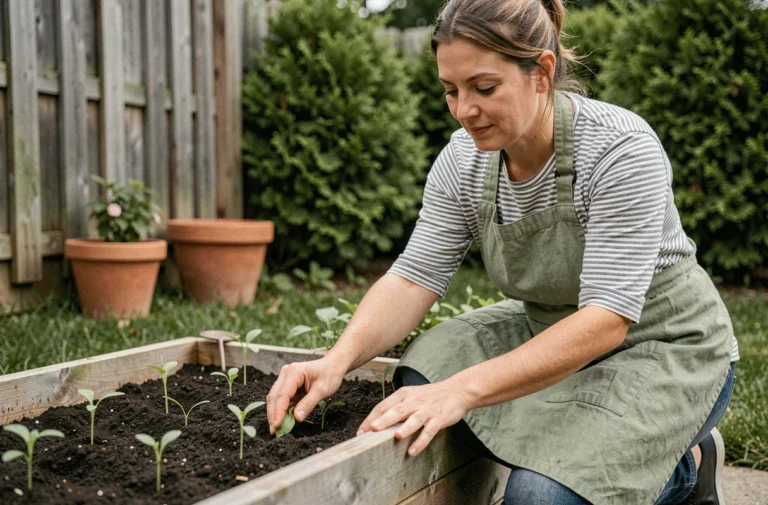
To counteract sedentariness, it’s important to multiply opportunities to move. Taking the stairs, walking, gardening—everything counts. Regular physical activity protects the heart, improves mood, and reduces fatigue. Those who work seated will benefit from taking active breaks every two hours: stretching, walking for a few minutes, getting some fresh air.
Finally, sleep closes the loop. Sleeping seven to nine hours each night stabilizes mood and strengthens immunity. In the morning, exposing yourself to natural light helps synchronize your body clock. In the evening, limiting screen time promotes optimal recovery and a stronger memory.
Here are the key points to remember for integrating these habits into your daily life:
- Eat for health: focus on whole foods, whole grains, legumes, and fish.
- Move daily: incorporate walking, reduce sitting time, and seize every opportunity to stay active.
- Restorative sleep: respect your rhythm, turn off screens before bed.
Everyone can find their rhythm and adjust these levers to their constraints. The benefits are felt gradually: better prevention, fewer diseases, and a renewed sense of vitality.

Mental well-being, prevention, and new insights: tips not to miss this year
Health is not limited to the absence of symptoms. Mental well-being requires constant attention, as insidious stress weakens the immune system and increases the risk of chronic diseases. Look for opportunities to release endorphins: physical activity, shared laughter, sincere conversations with loved ones. Laughter, this simple reflex, has shown its ability to reduce the risk of stroke and heart disease. A smile, a gesture of kindness, or an act of generosity also contributes to health.
Prevention is embodied in concrete actions:
- Schedule regular medical check-ups to monitor health indicators,
- Take care of your oral hygiene: a reflex that limits heart risks,
- Reduce tobacco and alcohol consumption, two well-known accelerators of serious illnesses.
Quitting smoking can halve the damage in just one year, a statistic worth remembering. The doctor remains a key partner in adjusting treatments, while the pharmacist supports daily management. Following prescriptions is essential to avoid worsening chronic diseases and limit complications.
Taking care of your health also means paying close attention to your environment. Reducing exposure to pollution, adopting protective habits, and prioritizing human relationships: all these choices influence vitality, longevity, and mental health. Prevention does not stop at the body’s borders: it extends to the space where we live, work, and share.
Moving forward on this path is already transforming your daily life and perhaps opening the door to calmer and more vigorous tomorrows.