In France, nearly 45% of new retirees are unaware of certain social aids they may be entitled to. Support systems vary by region, pension fund, or even family situation, sometimes creating unexpected access inequalities.
Simplified administrative procedures have been offered since 2023 to streamline the application for benefits or home services, but their visibility remains limited. Some local associations report an increase in requests to break isolation, while health prevention initiatives struggle to reach all generations of seniors.
Retirement: a new beginning full of possibilities
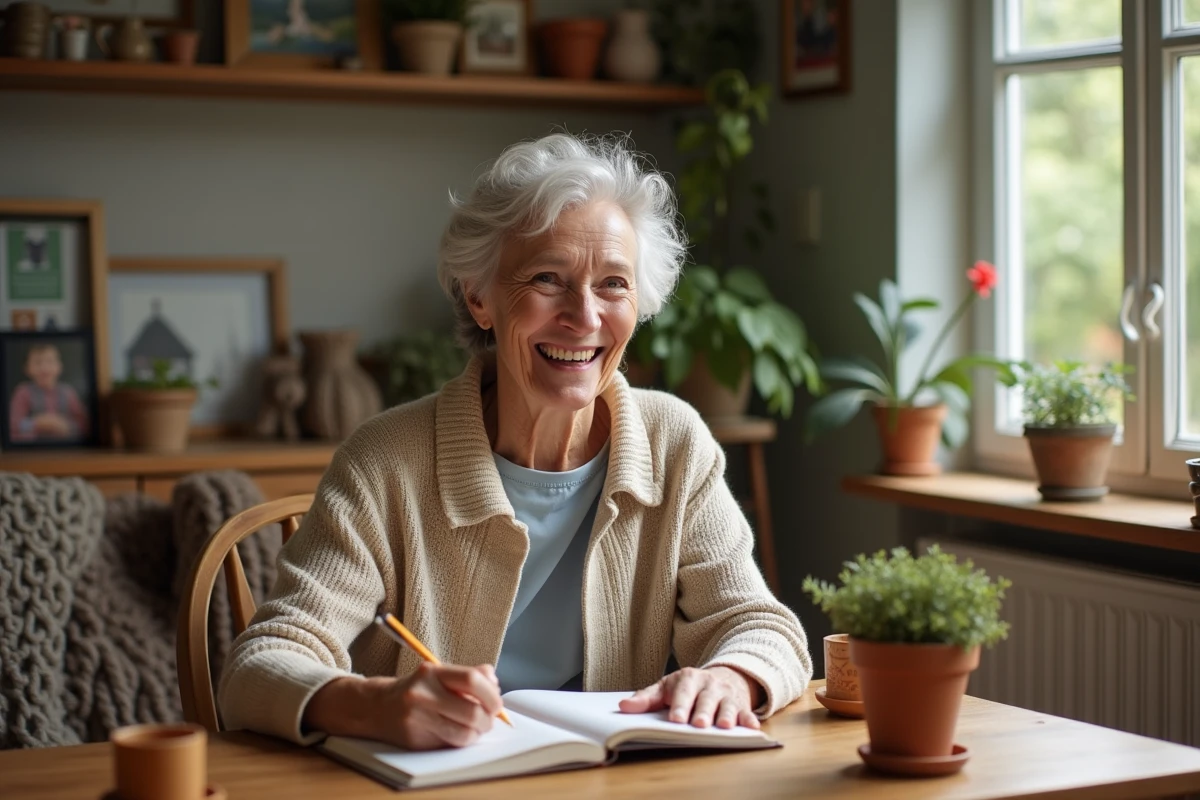
Retirement is not an endpoint. It opens up like a free slot in the agenda, a page waiting to be written. On the ground, the observation is clear: nearly 67% of new retirees want to try new experiences, whether it be volunteering, returning to studies, or realizing a long-held project. After years of a busy pace, this transition invites one to reinvent daily life, rediscover a form of freedom, and give meaning to regained time.
Reassessing one’s standard of living is also about preparing the ground. Adapting one’s home, taking the time to optimize retirement insurance, or discovering local workshops: solutions exist, provided one does not remain a spectator. There is no shortage of advice to turn this stage into a springboard, but the real trigger occurs the day one decides to dare. Seniors Actu offers attentive monitoring of news, rights, and local systems, giving everyone the opportunity to better seize opportunities as they arise.
Here are some concrete ideas for rethinking daily life after active life:
- Reevaluate your budget to adapt it to your new priorities.
- Explore temporary retirement insurance solutions in case of hardship or financial uncertainty.
- Integrate into local life by participating in support groups or social initiatives near you.
Making retirement an adventure to live also means choosing to be an active participant in one’s journey. Searching, informing oneself, trying, sharing: all actions that make a difference. This period, far from being static, becomes fertile ground for creating connections, preserving autonomy, and enriching social life. Specialists emphasize: curiosity, preparation, and solidarity are the best allies to fully enjoy each stage of this new life.
What aids and services to facilitate the daily lives of seniors?
Accessing personalized services can change the game for many retirees. For several years, the France Services system has been developing in France: these one-stop shops assist with administrative procedures, managing retirement files, or accessing social rights. Nearly 2,700 reception points are spread across the country, bringing seniors closer to institutions and making exchanges simpler and more direct.
Aids, whether one-time or long-term, weigh heavily in facilitating retirees’ lives. Some municipalities and departments provide funding for adapted housing equipment: installation of stairlifts, setting up secure showers, adding handrails. These adaptations promote autonomy and enhance safety at home.
The concrete services that punctuate seniors’ daily lives are diverse:
- Teams of home help take care of housing maintenance, meal delivery, or accompaniment during medical appointments.
- Social centers and associations multiply workshops, outings, and meetings to strengthen social life and break solitude.
- Regular sessions led by professionals are available to offer tailored practical advice.
The offer of daily services is tailored to meet expectations: administrative support, home care, and social connection activities. These systems evolve with the territories and rely on a logic of proximity to closely align with the needs expressed by seniors.
Preserving physical and mental well-being for a fulfilling retirement
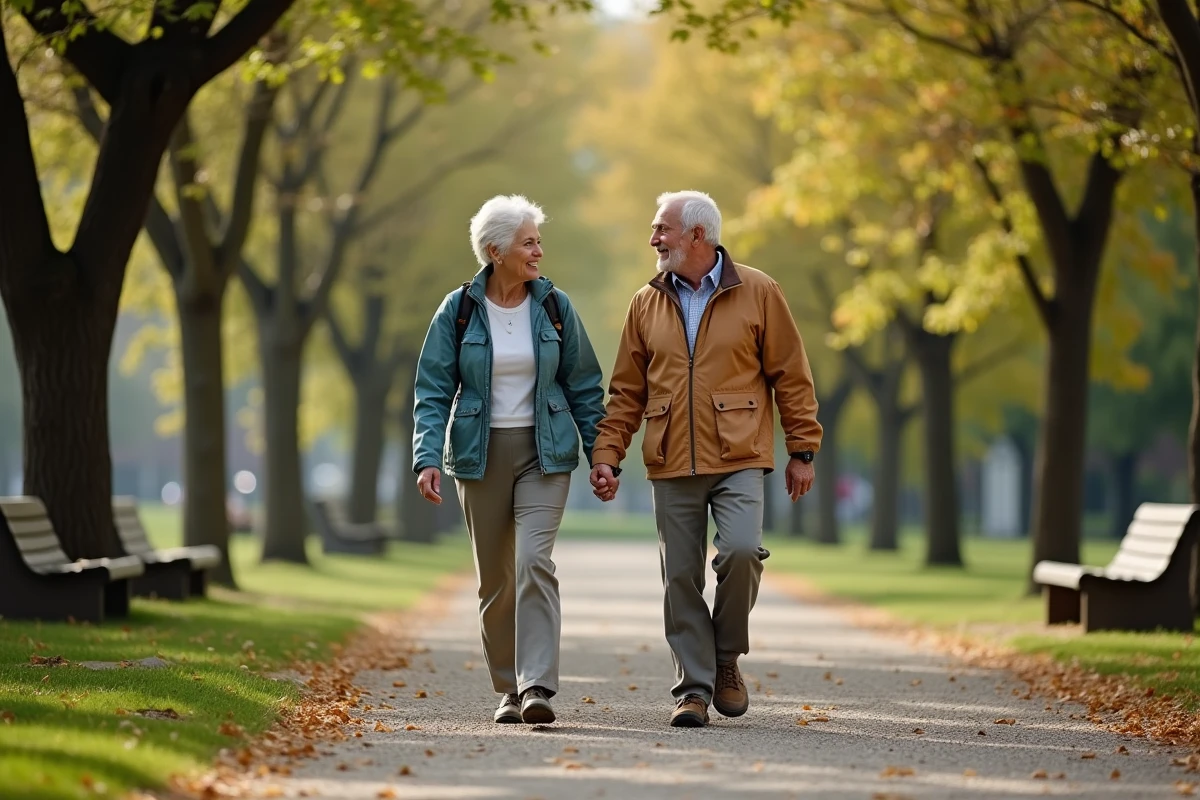
The transition to retirement disrupts habits, sometimes even references. This new rhythm, freed from imposed schedules, gives many seniors the opportunity to invest in a renewed autonomy. Taking care of one’s physical health then becomes a priority: walking daily, incorporating regular physical activity, visiting the municipal pool, or joining a local club. There are many solutions to cultivate strength, flexibility, and stability. Gentle gymnastics workshops, tai chi, and balance sessions help limit the risk of falls while boosting self-confidence.
But mental well-being is just as important. Breaking solitude, increasing exchanges, staying curious. Memory workshops, reading groups, or philosophical cafés provide opportunities to stimulate the mind and meet others. Allowing oneself the chance to learn, to pass on knowledge, or simply to discover new interests gives a fresh impetus to daily life. More and more seniors are engaging in civic actions, volunteering, or intergenerational projects, enriching their social lives and contributing to the local fabric.
Here are concrete avenues to explore for combining health and pleasure:
- Adapted physical activities: walking, gentle gymnastics, cycling on safe paths
- Cognitive stimulation: board games, memory workshops, learning new languages
- Social life: cultural outings, associative engagement, intergenerational meetings
Viewed from this angle, retirement reveals itself as a stage to fully invest in, where attention to health, autonomy, and the richness of human relationships shapes a denser, more open, and more vibrant daily life. The page is never blank: it is written every day, in small steps or great strides, according to one’s desires and energy at the moment.