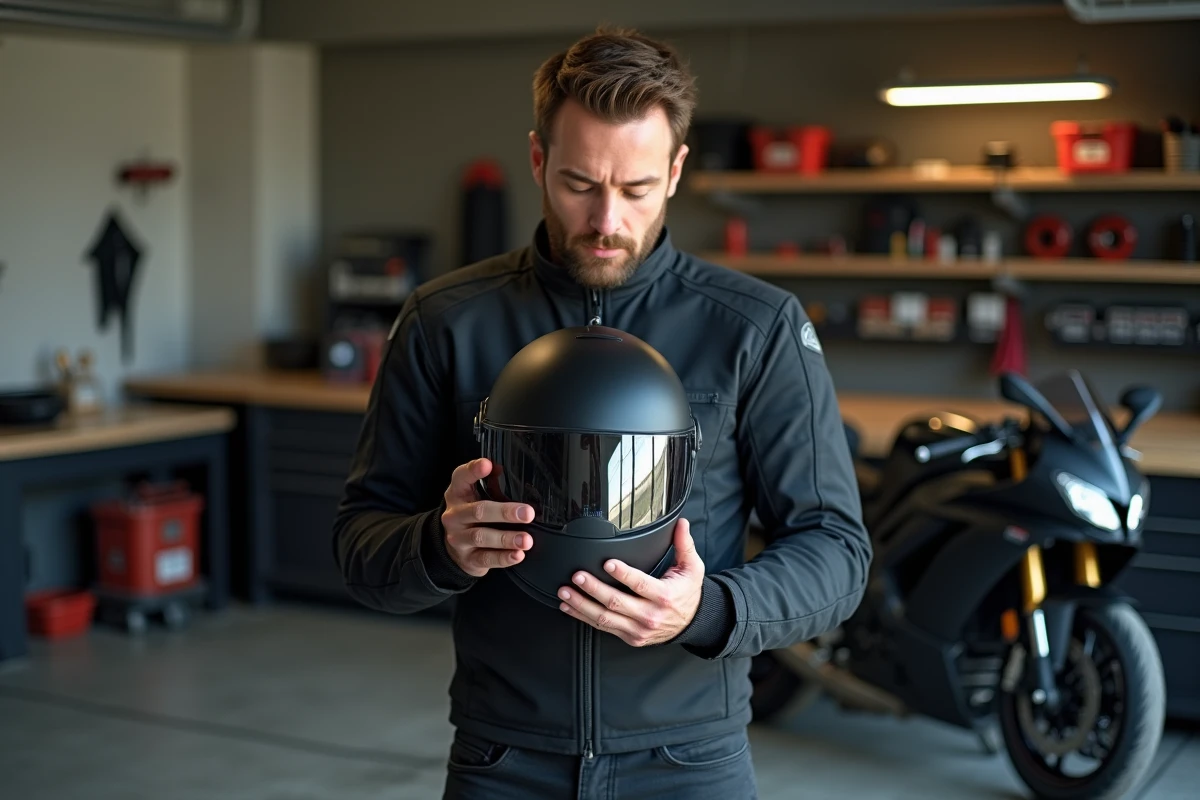
Comparing motorcycle gear involves balancing three variables that do not move in the same direction: the certified level of protection, thermal comfort, and the lifespan of materials. This article measures the concrete differences between the main categories of motorcycle gear, based on current standards and recent technical developments, to help you choose and maintain your motorcycle equipment without wasting your budget.
Motorcycle Helmet ECE 22.06 Standard: What the New Certification Changes
Since July 2023, all new helmets certified in Europe must comply with the ECE 22.06 standard. The difference from the previous ECE 22.05 standard is not limited to a logo on the label.
The impact testing zones have been increased, meaning that the shell is tested at more points during certification. A direct consequence for maintenance is: an ECE 22.06 helmet must be replaced after any fall, even at low speed. Shoei (NXR2 range) and Arai (Quantic range) specify this point in their updated European technical notices in 2023.
This requirement makes an invisible alteration of the shell more likely in the event of a second impact. Keeping a helmet after a ground impact, even one that seems minor, is akin to riding with protection whose internal structure may have lost its absorption capacity.
To choose a helmet well, prioritize trying it on in-store: a full-face model that fits snugly on the cheeks at purchase will loosen after a few weeks. A helmet that is too loose from the start will never compensate for that play. The references and detailed sheets available on motorcycleboy.fr allow you to compare features before heading to the store.
Textile, Leather, or Recycled Materials: Comparative Table of Motorcycle Protections
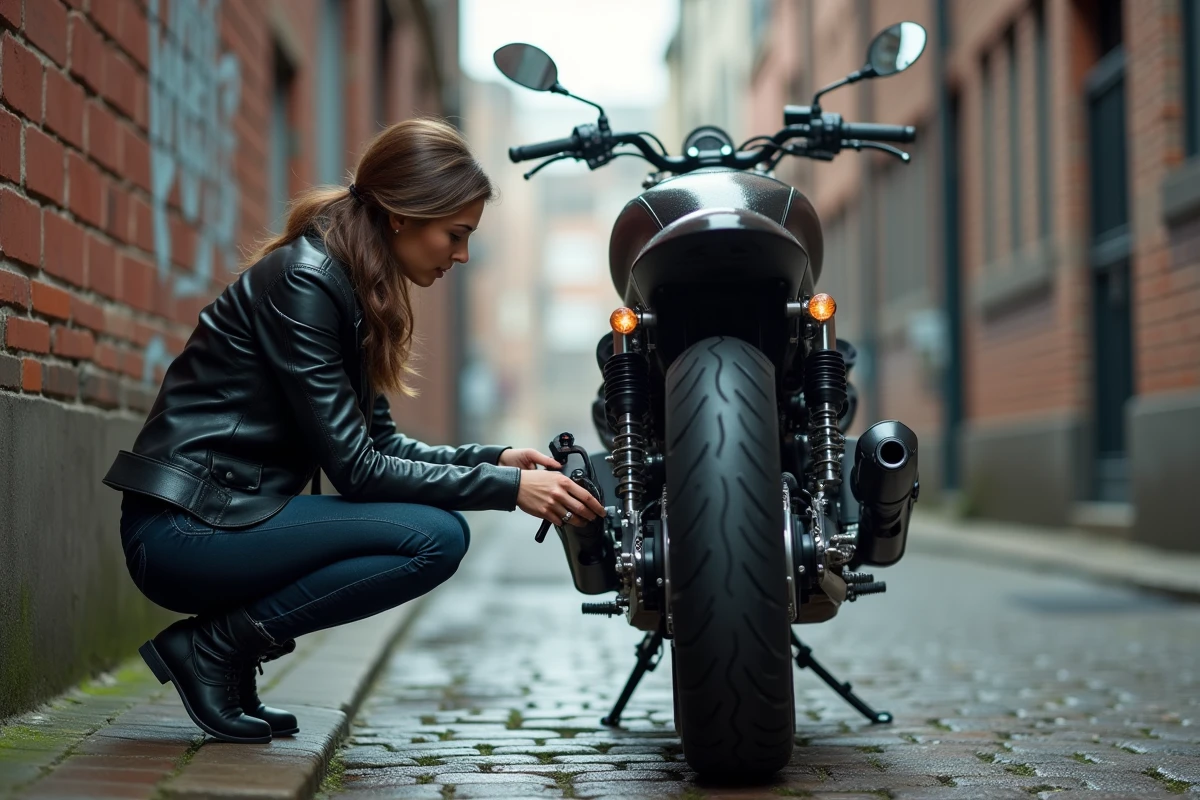
The choice between leather and textile depends on your usage, but also on criteria that classic guides overlook: the long-term abrasion resistance and the environmental traceability of materials.
| Criterion | Leather | Technical Textile | Recycled Textile (2023+ ranges) |
|---|---|---|---|
| Abrasion Resistance | Very High | High (varies by weight) | Comparable to classic textile |
| Ventilation | Low without perforations | Good to Excellent | Good |
| Maintenance | Regular polishing, slow drying | Machine wash (according to label) | Machine wash |
| Average Lifespan | Long if maintained | Average | Average (limited history) |
| Environmental Impact | High (tanning) | Medium | Reduced (recycled fibers) |
Since 2023, Alpinestars, Dainese, and Rev’it have introduced ranges incorporating recycled technical textiles with environmental traceability. These lines use fibers from recycling while maintaining CE protection certifications. The history of their aging remains limited, but initial feedback indicates abrasion resistance comparable to conventional textiles.
On the other hand, leather retains a clear advantage for sporty riding or on the track, where slip resistance on asphalt remains the dominant criterion.
Motorcycle Airbag: A Protection That Becomes the Norm on Track
The electronic airbag for motorcyclists is no longer a marginal accessory. Several driving schools and organizers of riding sessions in France now require it for certain sessions, especially for advanced levels. The French Motorcycle Federation has integrated it into its sports regulations for 2023-2024 for speed disciplines.
Two formats coexist on the market:
- The tethered vest, connected to the motorcycle by a cable that triggers inflation in the event of ejection. Less expensive, it only protects during a rider-machine separation.
- The electronic autonomous vest or jacket, equipped with accelerometers and sensors. It analyzes the situation in real-time and deploys before impact. Its price remains significantly higher.
- Some jackets now integrate the airbag directly into the lining, eliminating the extra layer that hindered freedom of movement.
For daily road use, an autonomous airbag vest offers the best versatility, as it works independently of the type of motorcycle used.
Motorcyclist Equipment Maintenance: Actions That Prolong Lifespan
A textile jacket loses its water-repellent properties after a few months of use if the membrane is not maintained. Washing is not enough: the water-repellent treatment must be reactivated with a suitable product after each machine wash.
For leather, cleaning with glycerin soap followed by nourishing polish prevents drying and cracking. An unmaintained leather loses its flexibility and abrasion resistance in just a few seasons.
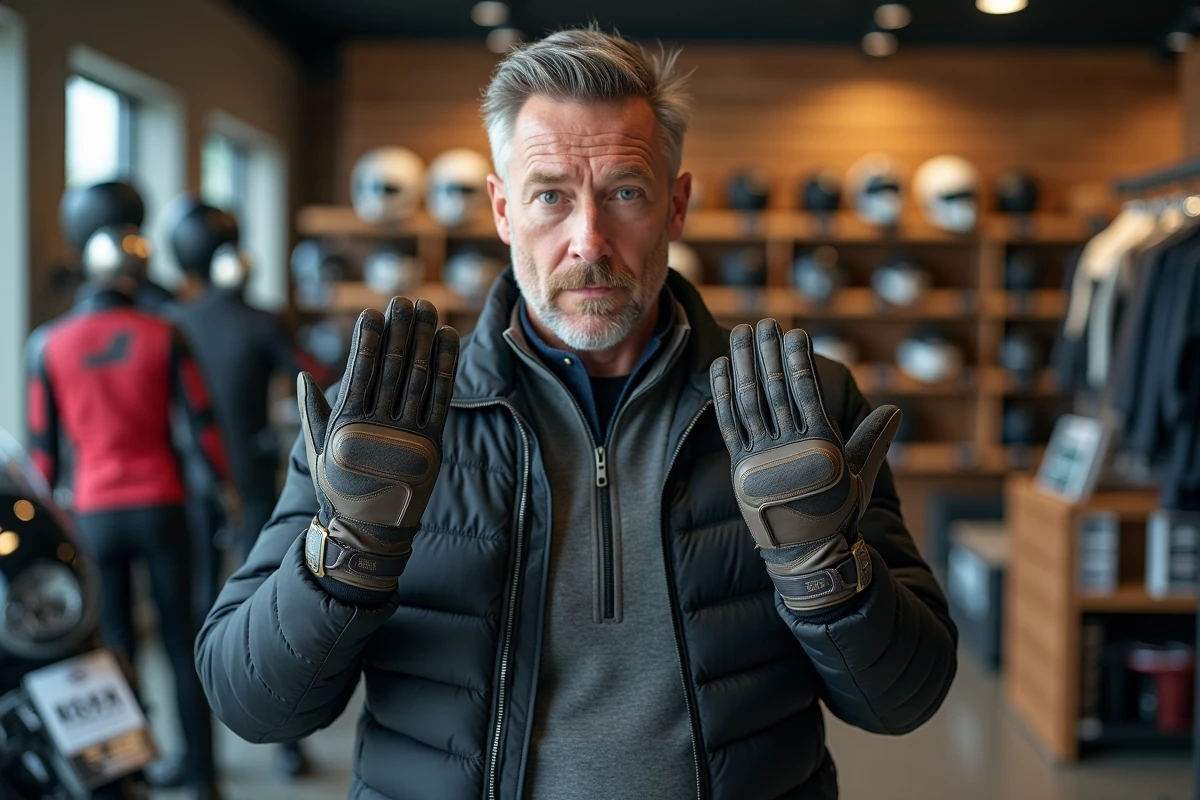
Motorcycle gloves deserve special attention. The leather on the palms wears out faster than the rest, and the seams at the fingers are the first to give way. Check them regularly, as a glove whose seam fails during a slide no longer provides any protection.
For helmets, beyond replacement after a fall, clean the inner foams according to the manufacturer’s instructions. Dirty foams lose their support and alter the helmet’s fit on your head, which reduces the effectiveness of protection in the event of impact.
Replacement Frequency According to Equipment Type
Helmets must be replaced after any impact, and manufacturers generally recommend periodic replacement even without a fall, due to the aging of absorbent materials. Gloves and boots follow a rhythm dictated by visible wear: seams, soles, Velcros.
Jackets and pants last longer, but their removable protections (CE shells at elbows, shoulders, knees) also age. A shell that has yellowed or lost its rigidity no longer fulfills its role. Replace them independently of the garment if necessary.
The choice and maintenance of motorcycle gear boil down to a simple logic: each piece has a functional lifespan distinct from its aesthetic lifespan. A jacket can still look good while having lost its protective capacity. Checking the condition of seams, shells, and membranes remains the only reliable way to know if your gear still truly protects you.