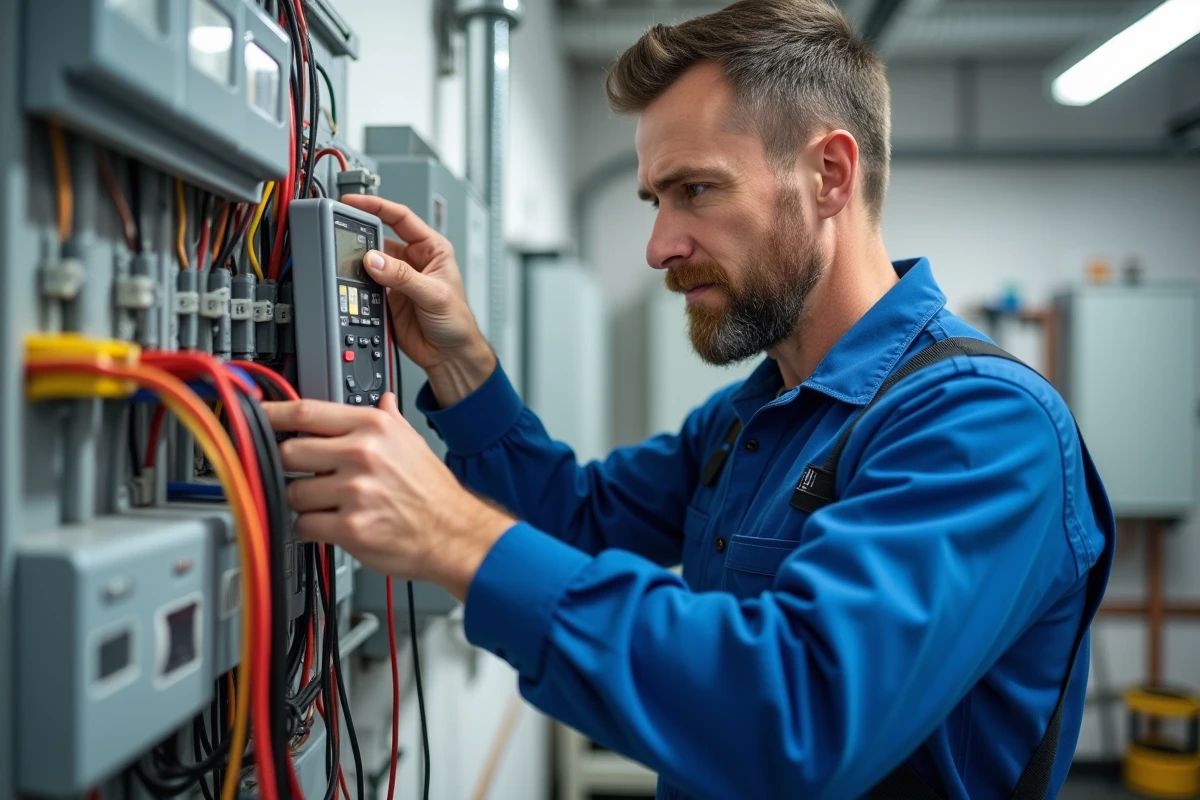
The numbers don’t lie: in the world of electricity, the right choice of cable can make all the difference between a reliable network and a predicted hassle. The use of rigid conductors in fixed installations is essential as soon as the length of a circuit exceeds a certain threshold or when regulations prohibit flexible cables. Requirements related to mechanical resistance, waterproofing, or compliance with NF C 15-100 standards lead to a preference for specific cables, including R2V. Unlike other types of cables, its use is permitted outdoors, in conduits or exposed, creating a unique case in the realm of domestic and industrial electrical installations. The differences in structure and composition directly influence the safety and durability of the network.
What is the purpose of the R2V cable in the world of electrical installations?
Essential among wiring solutions, the R2V cable stands out as the benchmark for fixed electrical installations, whether for homes or industries. Composed of a robust copper core, enclosed in double insulation, this cable is designed to withstand the test of time, resisting both shocks and climatic variations. Installing an R2V means anticipating, equipping for longevity, whether the installation involves an underground conduit, an exposed wall, or a technical room housing sensitive equipment.
In residential settings, it allows for reliable distribution of electricity for lighting, outlets, or large appliances. On an industrial scale, it is chosen where robustness and protection against moisture or impacts are non-negotiable. This is why it is essential on ambitious construction sites as well as for meticulous renovations, bridging the gap between professional requirements and individual expectations.
If you are interested in the concept of cable cross-section, the appropriate choice based on power, or installation details, you can consult Eklectik for your electrical installations. This guide provides concrete insights to go further, from selection to implementation of the network.
What criteria should be prioritized when choosing between rigid cable, flexible cable, and electrical wires?
The choice of electrical cable shapes the reliability of any installation. Depending on the configuration and constraints, each type of conductor has its uses. In a home or professional space, the rigid cable, particularly the R2V, demonstrates its superiority for long circuits or runs in exposed areas. Its structure guarantees mechanical strength, longevity, and stability, even when it passes through several rooms or snakes under a floor.
The flexible cable, on the other hand, comes into play when flexibility is required: to connect a device, run a wire to a panel, or work in a confined space, it has no equal. Its design in bundles of strands ensures movement without breaking or premature wear, ideal for junction boxes, connecting mobile devices, or any intervention that requires adjustments over time.
To differentiate between these options, one must rely on several essential benchmarks:
- Cross-section of the cable: suited to the power and distance of transport. An oven requires much more than a simple lamp.
- Environment and accessibility: the rigid cable is preferred for exposed installations, under moldings, or in conduits for fixed infrastructures, while the flexible cable excels in confined spaces or connections requiring mobility.
- Color and usage standards: identify each conductor according to its function (phase, neutral, ground) in accordance with standards, a safety measure that should never be overlooked.
Within a panel or junction box, flexibility facilitates every intervention, makes wire passage simpler, and reduces the risk of error. On a lighting or outlet network, rigidity ensures that nothing shifts and that safety remains optimal year after year. Adapting the cross-section, checking the cable’s usage, and respecting color codes are all actions that directly influence the peace of mind of both the user and the technician.
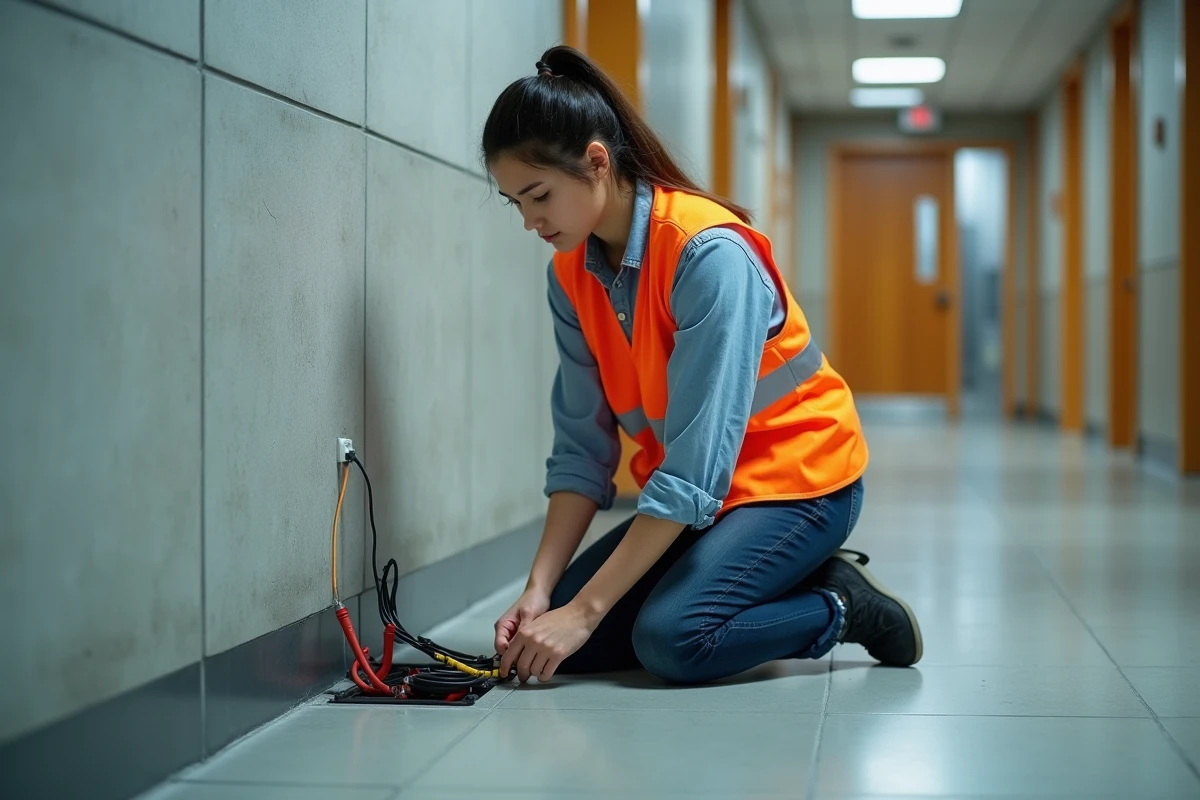
Standards, safety, and best practices: ensuring a reliable installation with the R2V cable
For electrical safety, there is no compromise. Every cable installed represents much more than a simple conductor: it ensures the safety of an entire building. The R2V cable meets all the criteria of the NF C 15-100 standard, a major reference for domestic and tertiary installations, and above all, the best guarantee of a sustainable network.
The PVC sheath that envelops its copper effectively protects against moisture and shocks. Whether it is surface-mounted, under Icta tubing, embedded in a wall, or discreetly secured in outdoor passage, the R2V shows reassuring reliability. It is impossible to make a mistake thanks to standardized colors, blue for neutral, green/yellow for ground: each wire naturally finds its place and minimizes any risk during successive connections.
Some reflexes are essential for aiming at a solid installation:
- Adapt the cross-section of the cable to the actual power required.
- Ensure that protective devices, circuit breakers, or residual current devices correspond precisely to the capacity of the installed conductors.
- Use conduits or ducts to secure even the hidden or supposedly safe portions of the cable run.
Last vigilance: take the time to check continuity, care for each bend, and work on each connection methodically. Adhering to the standard is not an option; it is the assurance of peaceful nights, conducive to future projects. The R2V fits into this logic of demand, a discreet companion of reliable construction sites and guarantees of long-term safety. Those who demand peace of mind choose their cable with the same clarity with which they plan for the future.